How a B2B web design agency designs account-specific landing pages at scale
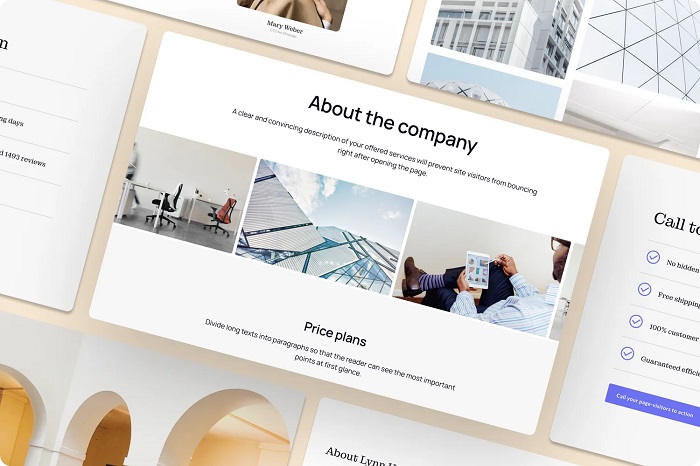
Account-specific marketing creates a difficult website design problem. The company wants to demonstrate relevance to a particular organization or business segment, but building every page from scratch can produce inconsistent messaging, outdated claims, and expensive maintenance. At the other extreme, changing only a company name adds little useful context. A scalable approach needs a clear distinction between what should remain consistent and what genuinely deserves adaptation for the intended audience.
A B2B web design agency helps translate business objectives into digital experiences through website planning, visual design, and navigation that makes relevant information easier for visitors to find.
Define what relevance means for the audience
Useful adaptation begins with a meaningful business difference. A manufacturing group may evaluate a service through its distributed operations, while a professional services company may focus on a different delivery model. These differences can shape examples, questions, and supporting evidence. Merely inserting the visitor’s company name does not explain why the offering fits their situation or what they should investigate next.
The planning team should document the basis for each adaptation. Is the page responding to a known operational requirement, an industry context, or an agreed campaign theme? This prevents unsupported assumptions from entering the copy. If the company lacks reliable account-specific information, a carefully written segment page may be more appropriate than a page that pretends to understand details it has not established.
Build a stable core message
The central explanation of the service should remain accurate across campaign variations. Scope, delivery responsibilities, limitations, and core capabilities should not change casually from one page to another. A stable message provides a reference point for editors and reviewers, reducing the chance that campaign pressure produces inconsistent promises to different audiences.
This core can be expressed through reusable content sections. Editors may adapt the opening context, select relevant examples, and emphasize appropriate capabilities while drawing from approved descriptions. The balance matters. A page assembled entirely from fixed blocks may feel generic, while unrestricted editing can undermine consistency. Clear rules should identify which elements are standard, which can be adapted, and which require specialist approval.
Design modules around buyer questions
A modular landing page system should reflect evaluation tasks rather than arbitrary visual arrangements. Useful modules might explain the audience’s operating context, the relevant service approach, implementation considerations, supporting evidence, and a focused next step. Each module needs a clear purpose so editors understand why it belongs on the page and what information it should contain.
Modules should also have sensible content limits. A section designed for one concise example may not work when an editor adds several unrelated stories. Guidance on heading length, image purpose, and the amount of copy helps preserve readability. The design system should support variation without allowing every page to become a different interpretation of the company’s message and interaction patterns.
Select evidence for relevance and permission
Account-oriented pages often need proof that feels close to the buyer’s circumstances. Relevant evidence may come from a similar operating model, implementation challenge, or organizational structure. It does not always require a customer from the same industry. The important task is to explain the connection so the visitor understands why the example is useful to their evaluation.
Customer permissions and claim accuracy still apply. A campaign page should not imply that a named organization endorses a customized proposal unless that implication is supported. Likewise, evidence from a smaller or differently scoped engagement needs appropriate context. The design should help editors present examples honestly, with enough detail to support the page’s argument and enough restraint to avoid overstating their significance.
Maintain continuity from campaign to website
The landing page should fulfill the expectation created by the message that brought the visitor there. If an outreach message promises an implementation discussion, the page should explain implementation rather than opening with a broad corporate introduction. Consistent terminology and a recognizable subject help visitors confirm that they have reached the intended destination.
Continuity also matters after the landing page. Visitors may explore service details, resources, or company information before responding. These paths should remain coherent. A campaign page that uses a completely different description from the main service page creates uncertainty. The website should allow focused relevance at the point of entry while providing a dependable broader explanation when the visitor chooses to investigate further.
Establish ownership and an expiration process
Campaign pages can accumulate quickly, especially when sales and marketing teams serve multiple segments or accounts. Every page should have a responsible owner and a review point. The team needs to know whether the page is active, whether its evidence is still appropriate, and whether the underlying offer or campaign context has changed.
Retirement should be deliberate. A former campaign page may continue to receive visits through saved messages or shared references. The appropriate response may be an updated page, a clear status explanation, or a relevant onward route. The choice depends on the original purpose. Treating page retirement as part of the design process prevents the website from becoming a collection of abandoned, inconsistent campaign experiences.
Evaluate usefulness beyond immediate form submissions
A targeted page may serve several roles before it produces an inquiry. It can help an internal champion explain the offering, give a technical reviewer relevant context, or support a later sales discussion. Measurement should therefore consider the intended job of the page rather than assuming every useful visit must end with an immediate submission.
Review should combine available behavior data with feedback from the people using the pages in real conversations. Which explanations help? Which examples create confusion? Which questions remain unresolved? These insights can improve the reusable system itself. A successful account-specific page program produces relevant, maintainable experiences that help buyers evaluate the company, with personalization grounded in actual business context rather than superficial changes to names and logos.