How Connected Fitness Equipment Is Improving Personalised Gym Training
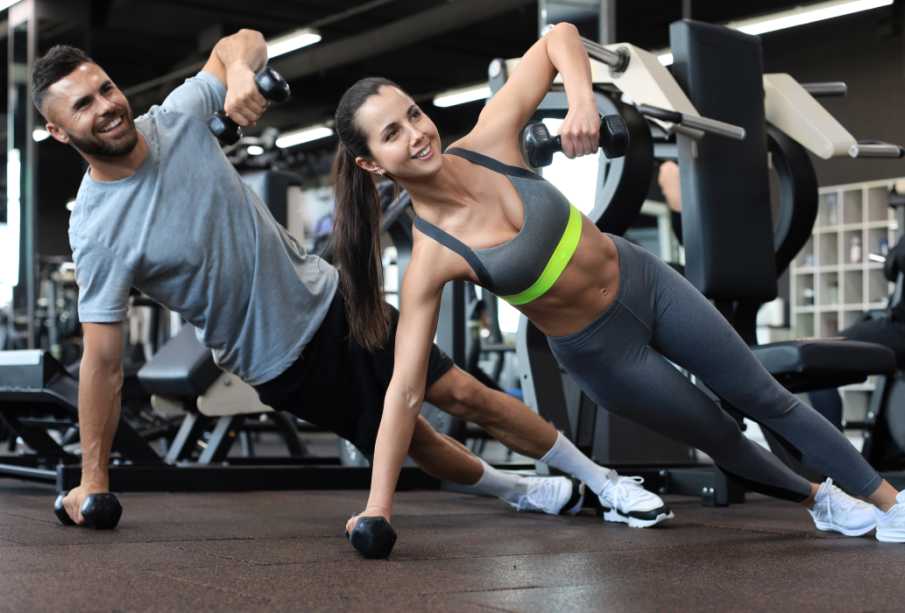
Fitness technology has changed the way people train. In the past, many gym members relied mostly on memory, guesswork or general routines. Today, connected fitness equipment, wearables and apps can provide useful feedback that helps members train with more awareness.
A modern fitness gym singapore experience can combine physical training with digital support. Connected equipment can track performance, guide intensity and help users understand progress. This does not remove the need for effort or coaching, but it makes personalised training more accessible.
Personalisation begins with better data
Every member has different goals, fitness levels and recovery needs. Some want strength. Some want fat loss. Some want endurance, mobility or general health. Personalised training depends on understanding where the person is starting and how they respond to exercise.
Connected equipment can provide useful data such as speed, resistance, distance, power output, heart rate and workout duration. This information helps members make better decisions.
Instead of guessing whether a workout was effective, they can review performance and adjust future sessions.
Cardio machines now offer more than basic movement
Modern cardio equipment often includes digital displays, training modes and performance metrics. Treadmills, bikes, rowing machines and ellipticals can help users manage intensity more clearly.
For example, a cycling machine may show cadence and resistance. A treadmill may track pace and incline. A rowing machine may show split time and power. These metrics help users train with purpose.
This is useful because cardio intensity is often misunderstood. Some people train too lightly to improve, while others push too hard too often. Connected equipment helps create better balance.
Strength training can become more measurable
Strength progress is often easier to track when users record weights, repetitions and sets. Some connected systems and fitness apps make this process more convenient.
Tracking strength helps members apply progressive overload safely. They can see whether they are increasing resistance gradually, repeating the same load too long or pushing too quickly.
Data can also reveal imbalance. For example, if certain movements improve while others stall, the programme may need adjustment.
Wearables connect gym sessions with lifestyle
Gym performance is influenced by more than the workout itself. Sleep, stress, hydration, nutrition and daily movement all matter. Wearables help connect these factors by tracking patterns outside the gym.
A member may notice that poor sleep affects strength. Another may see that high stress days lead to weaker cardio performance. This awareness supports smarter training decisions.
Personalised fitness is not only about what happens during a session. It is about understanding the full lifestyle picture.
Apps help organise training plans
Fitness apps can help members organise workouts, track progress and review habits. For busy adults, this can reduce confusion and improve accountability.
An app may show which muscle groups were trained, how many workouts were completed and whether cardio goals were met. This turns fitness into a clearer system.
When paired with a facility such as True Fitness Singapore, digital planning can support real workouts through equipment, classes and structured training options.
Connected equipment improves motivation
Feedback can be motivating. Seeing improvement in distance, pace, resistance or output gives members proof that effort is working. This can be especially useful when visual changes are slow.
Fitness progress often happens in small steps. Digital metrics make those steps visible. A slightly faster pace, better recovery heart rate or improved cycling output can encourage members to keep going.
Motivation becomes stronger when it is supported by evidence.
Technology can support safer intensity
One benefit of connected fitness tools is better intensity control. Heart rate zones, resistance settings and performance trends can help users avoid training too hard or too lightly.
For high intensity workouts, heart rate tracking can show whether recovery between intervals is adequate. For endurance sessions, pace and output can guide effort. For beginners, tracking can prevent overexertion.
Safe intensity matters because sustainable fitness depends on training hard enough to improve, but not so hard that the body breaks down.
Human judgement remains essential
Technology is helpful, but it does not understand everything. A machine may show strong output, but the user may be moving with poor form. A wearable may show recovery scores, but it may not fully understand pain, stress or lifestyle context.
This is why human judgement remains important. Members should listen to their bodies and seek professional guidance when needed.
The best results come from combining technology, proper technique, realistic goals and consistent action.
Avoiding data overload
Too much data can become overwhelming. Members do not need to track every possible number. A few meaningful metrics are enough.
For strength, track weights and repetitions. For cardio, track time, intensity and progress. For recovery, track sleep and how the body feels. For consistency, track weekly attendance.
The purpose of data is clarity. If tracking creates stress, it should be simplified.
FAQ
I use connected cardio machines but do not understand all the numbers. What should I focus on?
Start with time, intensity and progress. For cycling, cadence and resistance may help. For running, pace and incline are useful. You do not need to analyse every metric.
Can connected equipment create a personalised programme for me?
It can support personalisation by showing data, but it may not fully replace a proper programme. Use the data to guide decisions, and combine it with structured planning or professional advice.
My wearable says I am not fully recovered. Should I skip the gym?
Not always. You can adjust the workout. Choose lighter cardio, mobility or a moderate strength session instead of intense training. Use recovery data as guidance, not as a strict command.
I get discouraged when my numbers do not improve every session. Is that normal?
Yes. Progress is not always linear. Sleep, stress, food and fatigue affect performance. Look at trends over weeks, not single sessions.
Conclusion
Connected fitness equipment is improving personalised gym training by making performance easier to measure and understand. It helps members track effort, manage intensity and see progress more clearly.
For adults in Singapore, technology can make gym training more organised and motivating. When combined with consistent effort, proper form and a supportive environment, connected equipment can turn fitness into a smarter and more personalised experience.